Thoughtful Ideas for Supportive Gifts That Don't Cost Much Money
Finding the perfect gift can feel less like an act of generosity and more like solving an unsolvable puzzle. We live in a culture that often equates value with price tag, leading many people—especially when caring for friends or family going through tough times—to feel immense pressure to spend a fortune on gestures of support. But what if the most powerful gifts aren't those wrapped in expensive paper? What if true support is about attention, thought, and effort? If you are searching for ideas for supportive gifts that don't cost much money, rest assured: your heart is already equipped with the greatest resource needed to make a genuine impact. This guide will help you shift your focus from dollars spent to emotional connection made, proving that sometimes, the smallest gesture carries the weight of the world.
Shifting Focus: The True Measure of Support
Before diving into specific items, it’s crucial to reframe what "support" means in the context of gifting. A supportive gift isn't a solution; it's a reminder. It’s an acknowledgment that you see them, and you care about how they are doing right now. This mental shift is key—it allows you to look past the retail price tags and focus on utility or pure comfort.
The Power of Presence Over Price
The most valuable gift you can give is your undivided attention. When times get tough for someone, they often feel isolated, believing that others are too busy or uninterested to truly listen. Your time, however, is an infinitely more valuable commodity than any store-bought trinket. This doesn't mean you need grand gestures; it means being a reliable source of calm and connection.

Think of your support as a lifeline—it isn't the sturdy rope itself that matters, but the hand that holds it steady when Outdoor Adventurer the current is strong. A simple check-in text followed by a genuine phone call can be more stabilizing than any expensive gift basket. This principle reminds us that vulnerability thrives in connection, and you are the bridge to that connection.
Comfort Corner: Practical Gifts for Self-Care
When people are struggling—whether with burnout, grief, or just life’s general chaos—the first things they neglect are their basic needs. They forget to rest, they forget to nourish themselves, and they often feel too overwhelmed to shop for the simple comforts that would make daily life easier. This is where practical support shines. You don't need a fancy spa package; you just need to fill in those small gaps of self-neglect.
Low-Cost Boosters for Physical Wellness
These are items that might sound trivial, but they radically improve the quality of everyday life. They fall into the category of "I should really get these," which is exactly where most people lose track of their own shopping list when stressed.
Consider assembling a small survival kit with items like:
- High-quality tea or coffee: A specific blend known for its calming properties (like chamomile or lavender).
- Cozy socks or fuzzy slippers: Comfort items that require little thought but feel incredibly luxurious at home.
- A comforting snack stash: Things like premium hot cocoa mix, good quality popcorn kernels, or artisan caramels.
These types of thoughtful groupings prove that ideas for supportive gifts that don't cost much money can be deeply effective because they directly address immediate physical discomforts.
Mental and Emotional Recharge Kits
Sometimes the best support is a gentle nudge back toward joy or routine. These kits are designed to give someone permission to take a break without having to plan one themselves.
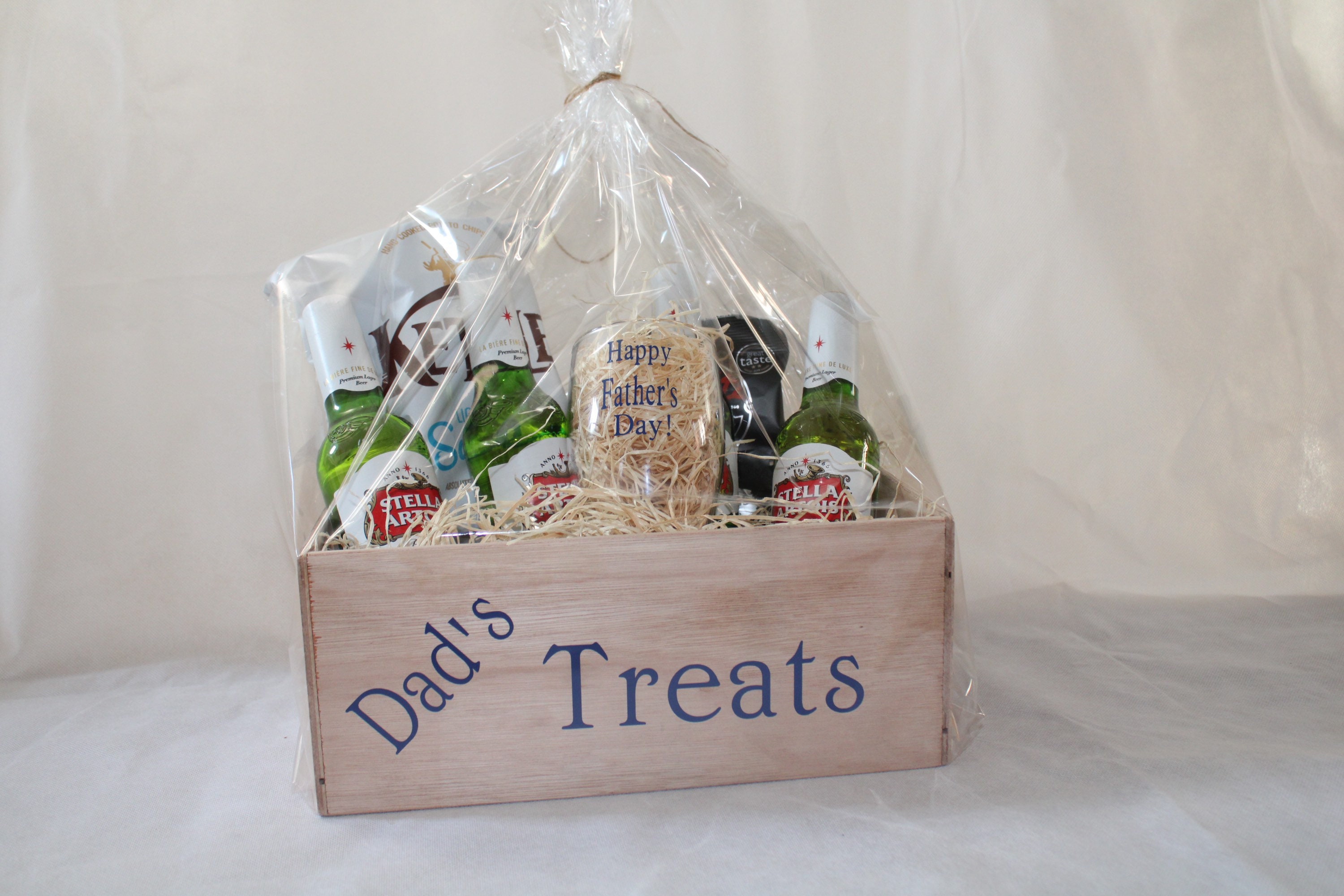
- The "No-Effort Entertainment" Kit: Include a deck of interesting conversation starter cards, a small book of simple riddles, or a packet of colored pencils and nice paper for journaling prompts.
- Curated Sensory Items: A scented candle (choose a neutral, comforting scent like linen or sandalwood), a sheet mask, or even just a bottle of lovely hand lotion can trigger a sense of calm.
Beyond the Box: Gifts That Require Time and Effort
If money is tight, your time becomes your most powerful currency. The greatest gifts are often those that require you to invest minutes, hours, or sustained effort. These actions speak volumes louder than any purchased item ever could.
Creating Shared Experiences from Home
An "experience gift" doesn't have to involve tickets and travel; it just needs shared time. This requires planning, which is itself a gift.
- The Virtual Movie Night: Set up a specific date and send a curated list of three films (one comedy, one drama, one comforting classic) along with a promise to call them during the movie for synchronized snack breaks.
- A Shared Meal Prep Session: Rather than just dropping off takeout, offer to spend an hour with them doing something mundane but connective—like chopping vegetables together or going through their pantry and making a recipe from what you already have. This is supportive maintenance at its finest.
The Power of Personalization
Personalized items don't always mean expensive engraving. They can be built entirely on shared memory. For example, creating a collaborative playlist that features "our songs" or compiling a small digital scrapbook filled with funny memories and inside jokes requires effort, but the emotional return is priceless. It proves you were listening to their life story.
Making Your Selection Count: Beyond Material Goods
Ultimately, whether you are crafting a complex care package or simply sending a single text message, remember that the goal isn't to solve all of their problems—it’s just to sit with them in the messiness for a while and let them know they aren't alone. When considering ideas for supportive gifts that don't cost much money, always ask yourself: What do I know about this person right now? What small thing would bring me comfort if I were in their shoes today?
It’s enough to make a difference. By choosing thoughtfulness over expense, you ensure that your gesture speaks from the heart, making it infinitely more impactful than any material commodity ever could. Your empathy is the most valuable item on the market.